Assessment in EYFS
Every child is unique, and every step of their learning journey matters!
In our Early Years Foundation Stage (EYFS), we believe that assessment should be meaningful, purposeful and, most importantly, centred around the child. We recognise that children learn and develop in different ways and at different rates, and we celebrate the progress that each child makes along their own learning journey.
How Do We Assess Learning?
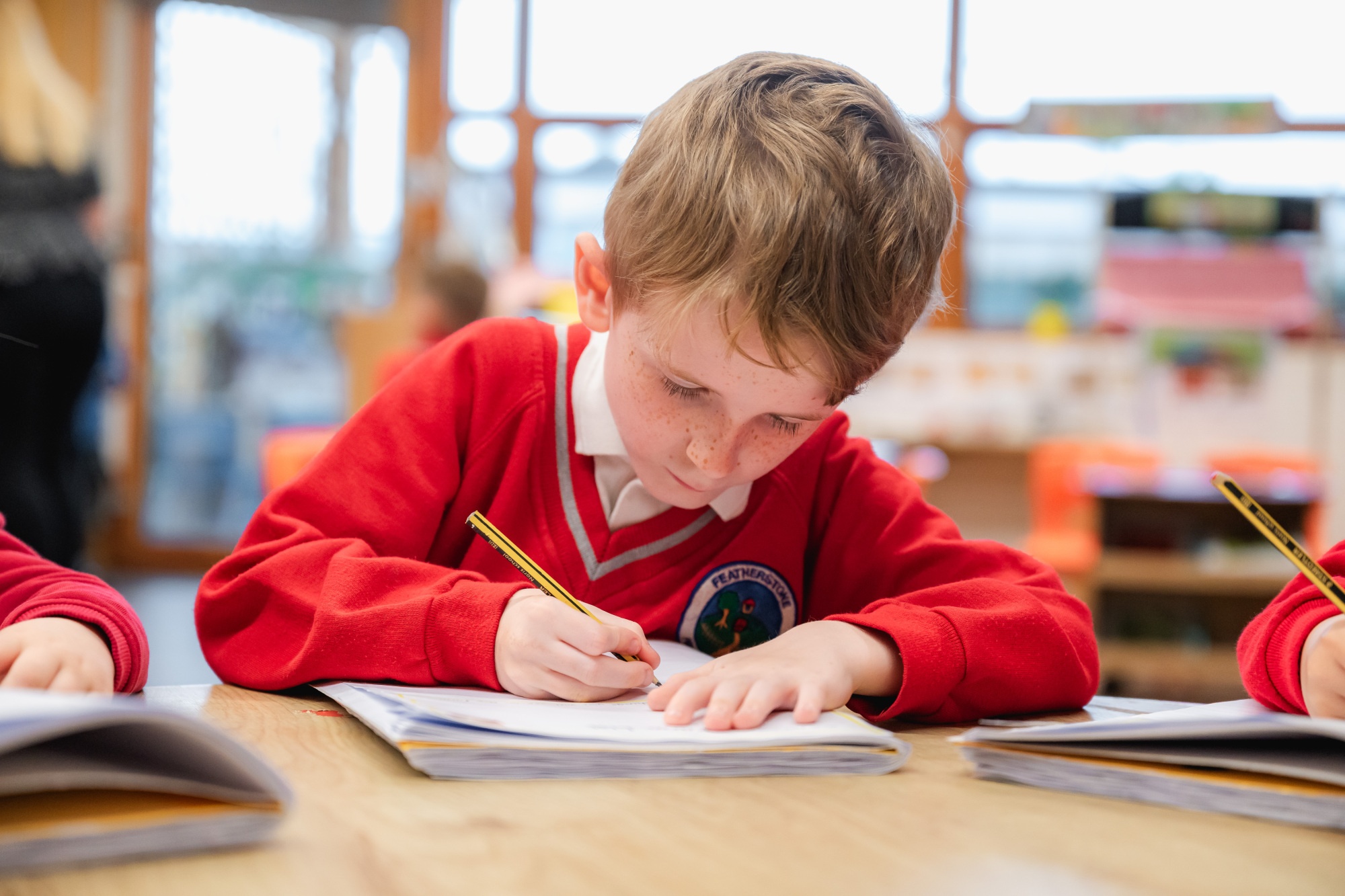
In Early Years, assessment is not about formal tests or sitting children down to complete endless worksheets. Instead, our skilled adults get to know each child through play, conversations, observations and everyday experiences.
As children explore, investigate, create and play, we are constantly noticing what they know, what they can do and what they are beginning to understand. These valuable moments help us recognise children's achievements, identify their next steps and plan exciting opportunities to move their learning forward.
Assessment Through Play
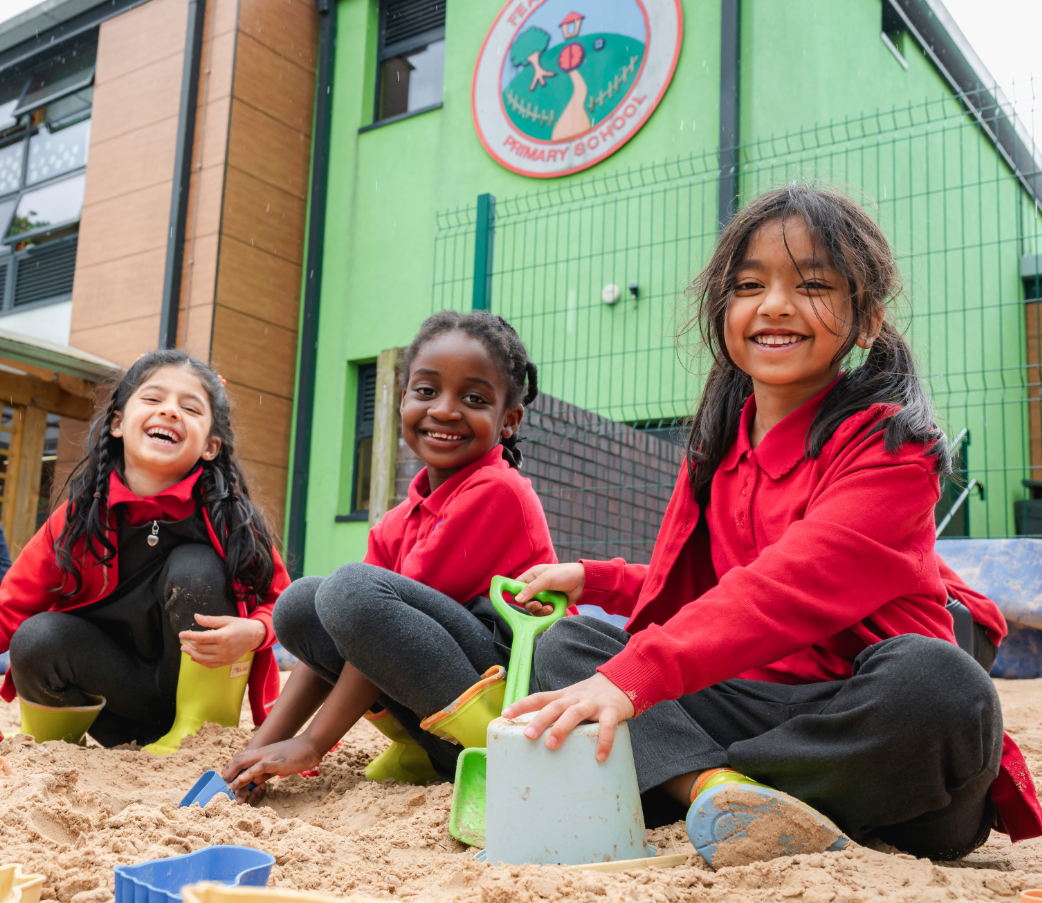
Play provides a wonderful window into children's learning. Whether children are building a tower, creating an imaginary world, exploring outdoors or sharing a story, they are continually demonstrating their developing knowledge, skills and understanding.
Our adults use these everyday moments to listen carefully, ask questions, introduce new vocabulary and gently challenge children's thinking. This ongoing assessment helps us adapt our teaching and learning environment to meet the needs and interests of every child.
We value being present in the moment, allowing children time to become deeply involved in their play rather than interrupting their learning to collect unnecessary evidence.
Understanding Children's Progress
Our curriculum follows the Early Years Foundation Stage statutory framework, which sets out seven areas of learning and development.
During their first few weeks in Reception, children will take part in a short, fun and practical assessment with a familiar adult. This is called the Reception Baseline Assessment (RBA) and involves simple activities exploring early language, communication and maths skills. It is carried out in a relaxed, friendly way so children feel happy and comfortable. There is no pass or fail, and nothing to practise or prepare for! It simply provides a starting point to help measure how much children grow and progress throughout their primary school journey.
Throughout the year, we use our knowledge of each child, alongside our carefully planned curriculum, to understand their progress and identify where additional support or challenge may be needed.
At the end of Reception, children are assessed against the 17 Early Learning Goals (ELGs) as part of the statutory EYFS Profile. These provide a picture of children's development at the end of the Foundation Stage and help support a smooth transition into Year 1.
We recognise that the Early Learning Goals are an end-of-Reception assessment, not a checklist to work through during the year. Our focus remains on providing a rich, ambitious curriculum that helps every child make progress.
Working Together with Families
Parents and carers know their children best, and we believe that working together is essential.
We value the experiences, achievements and interests that children bring from home and encourage families to share these with us. Through regular conversations, updates and opportunities to discuss children's development, we work together to celebrate successes and support each child's next steps.
Celebrating Every Step
Above all, we believe assessment should support learning, not interrupt it. We want our children to feel confident, curious and proud of their achievements, however big or small.
In Early Years, it's not just about what children can do today – it's about recognising how far they have come and helping them discover what they can achieve tomorrow.